Cancer-Related Fatigue & Recovery
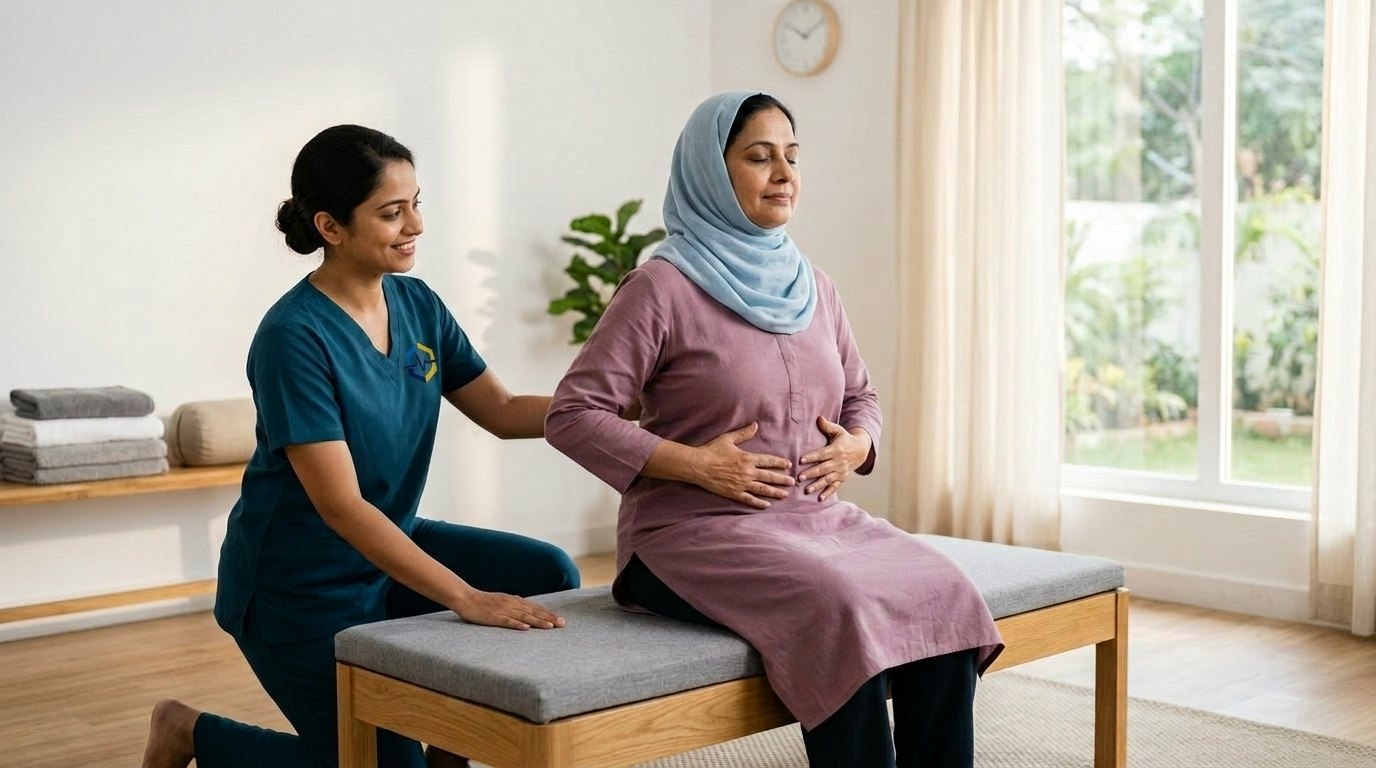
Cancer treatment can drain strength, mobility and energy. Oncology rehabilitation uses carefully paced, evidence-informed exercise to manage fatigue, maintain function and support quality of life — always subject to professional evaluation and oncology team guidance.
Common functional challenges
How PranIQ works
A qualified professional performs a structured assessment. PranIQ then builds a personalised rehabilitation programme around your clinical requirements, capability and goals — with progress continuously monitored and your plan adapted as you recover. Technology supports your therapist; clinical decisions remain with them.
Typical rehabilitation stages
Professional assessment & oncology coordination
Gentle paced activity
Progressive strength & mobility
Energy management strategies
Ongoing supportive programme
Outcome measures we track
FAQs
How does PranIQ approach this?
Every journey begins with a structured assessment by a qualified professional. Your plan is built around your condition, capability and functional goals — and adapts as you progress.
Can rehabilitation happen at home?
Where available and clinically appropriate, PranIQ can facilitate home-based rehabilitation, partner-clinic sessions or digital follow-up.
Does AI diagnose my condition?
No. PranIQ's technology may support assessments and monitoring. Diagnosis and clinical decisions remain with appropriately qualified healthcare professionals.
Ready to start recovering?
Tell us what you're recovering from and what you want to achieve.
This page provides general information and does not constitute medical advice, diagnosis or treatment.